
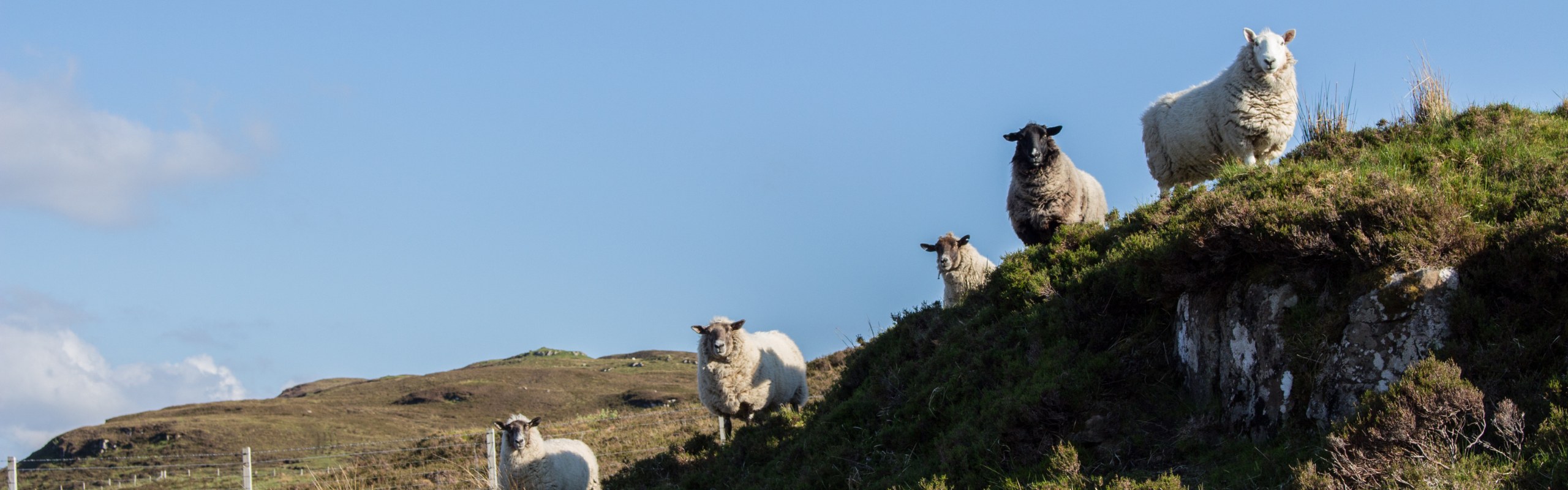
To be completely transparent – this is definitely more of a visit for history enthusiasts or amateur historians, not your typical tourist destination. Though its historical context is gripping, to many this will be nothing more than a hole in the ground, created by a society over 2,000 years ago. For those who love to imagine, to wander, to feel a sense of the past – you could add this unique place to your list of ‘places to have a wee look’.
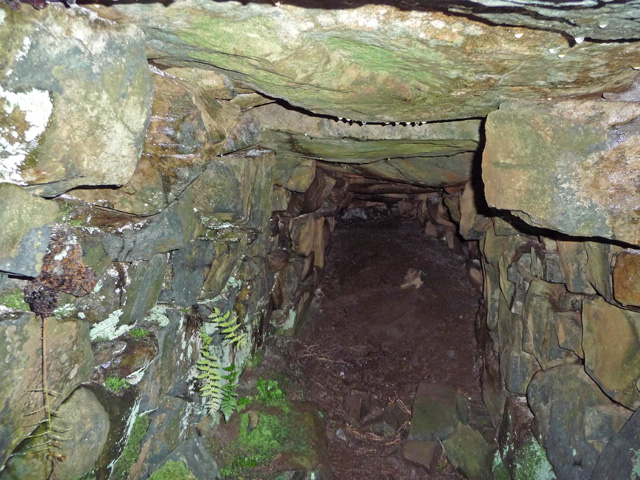 Photo © John Allan (cc-by-sa/2.0)
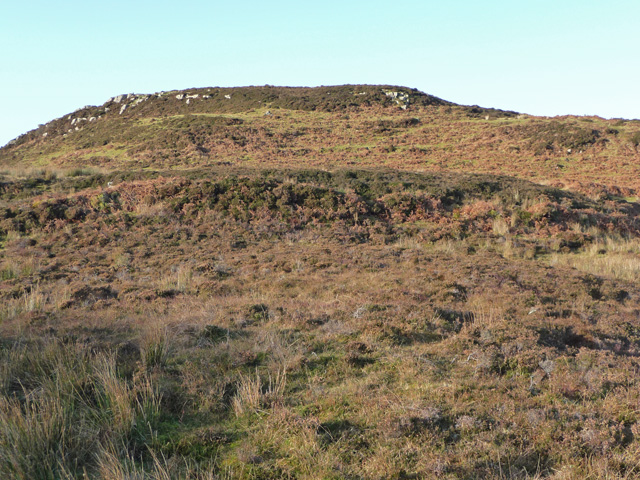
Park at Dun Beag parking and walk down the single track road away from the broch. You’ll find a gate leading into the field at ///downfield.spiking.marshes and carry on through the moor to approximately ///spends.hiding.proposals.
In Skye, souterrains like the one found here in Knock Ullinish provide us with a glimpse into ancient life on the island. Souterrains are underground tunnels or structures thought to have been built during the Iron Age. The purpose of these tunnels is largely unknown, but they may have been used as defensive shelters during attacks, for storage, or as what are also called “earth houses.”
These structures have sparked interest for centuries. This particular souterrain was visited by writers Samuel Johnson and James Boswell in 1773. For readers interested in the history of Skye, A Journey to the Western Isles of Scotland by Samuel Johnson is an insightful account. Written after his travels with James Boswell, the book captures details of Skye’s landscapes, ancient structures, and unique way of life. Johnson’s descriptions, including his impressions of the Knock Ullinish souterrain, offer a rare 18th-century perspective on the island’s Iron Age remains and the lives of its early inhabitants.
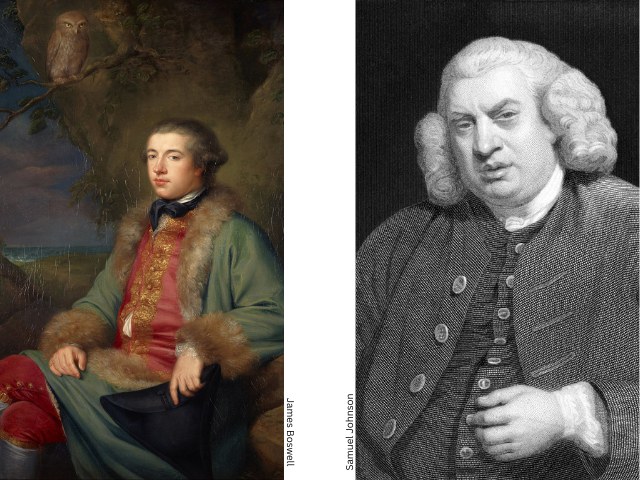
Under ‘Ullinish’: “From the Dun we were conducted to another place of security, a cave carried a great way under ground, which had been discovered by digging after a fox. These caves, of which many have been found, and many probably remain concealed, are formed, I believe, commonly by taking advantage of a hollow, where banks or rocks rise on either side. If no such place can be found, the ground must be cut away. The walls are made by piling stones against the earth, on either side. It is then roofed by larger stones laid across the cavern, which therefore cannot be wide. Over the roof, turfs were placed, and grass was suffered to grow; and the mouth was concealed by bushes, or some other cover.
These caves were represented to us as the cabins of the first rude inhabitants, of which, however, I am by no means persuaded. This was so low, that no man could stand upright in it. By their construction they are all so narrow, that two can never pass along them together, and being subterraneous, they must be always damp. They are not the work of an age much ruder than the present; for they are formed with as much art as the construction of a common hut requires. I imagine them to have been places only of occasional use, in which the Islander, upon a sudden alarm, hid his utensils, or his cloaths, and perhaps sometimes his wife and children.
This cave we entered, but could not proceed the whole length, and went away without knowing how far it was carried. For this omission we shall be blamed, as we perhaps have blamed other travellers; but the day was rainy, and the ground was damp. We had with us neither spades nor pickaxes, and if love of ease surmounted our desire of knowledge, the offence has not the invidiousness of singularity*.”
It’s interesting to note that, even back in 1773, the weather on Skye was enough to make travellers like Johnson and Boswell choose comfort over curiosity. Despite their interest in exploring the souterrain fully, the rain and damp ground convinced them to stay dry rather than venture further into the cave.
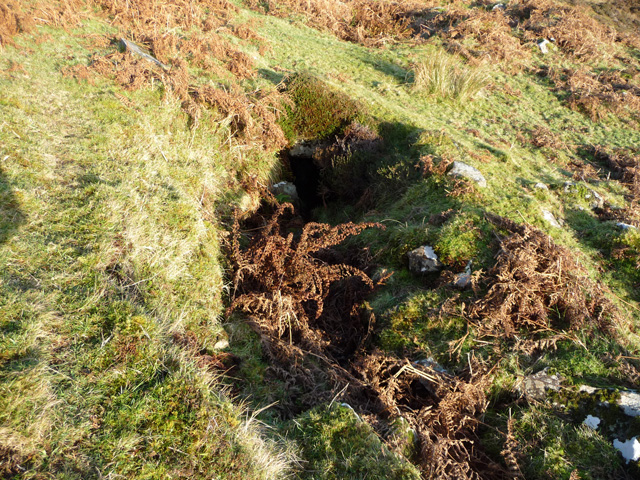 Photo © John Allan (cc-by-sa/2.0)
For history enthusiasts and those intrigued by the lives of people we know little about, a visit to the Knock Ullinish Souterrain can be combined with a trip to Dun Beag Broch, Skye’s best-preserved Iron Age fort. You can learn more about the early settlers on Skye using the Experience Skye app, which includes a short audio guide to Skye’s early settlers within the Introduction to Skye series.
You can also head over to the Oronsay tidal island if you can time you visit with the tides. This area is quiet and may be lucky enough to enjoy these places to yourself
An for anyone really REALLY interested in the Knock Ullinish souterrain, here’s a link to an Archeological survey conducted at the site in 1986.