
Discovering Dinosaurs on the Isle of Skye
The Isle of Skye, is world famous in academia for its rich geological record. While much of the island is composed of basalt rocks from more recent volcanic activity from roughly 60 million years ago, certain coastal areas reveal sedimentary beds that offer a glimpse into a much older world – the world of dinosaurs.
Sedimentary beds are layers of rock formed over millions of years as particles like sand, mud, and the remains of plants and animals settle and build up, typically underwater. These layers can preserve fossils and tell us about ancient environments, acting like chapters in Earth’s history.
These sedimentary exposures, dating back to the Middle Jurassic period approximately 170 to 166 million years ago, have yielded some of the most significant dinosaur discoveries in Scotland. The fossils and footprints found on Skye provide valuable insights into the diverse ecosystem that existed during this period, when Scotland was located much closer to the equator and enjoyed a warmer, more tropical climate.
Please note: Any collecting of fossils, or damage to fossils or prints at any of these sites can lead to a fine of up to £40,000.
Skye Dinosaur Footprints Locations: Walking in Ancient Steps
One of the most exciting aspects of Skye’s dinosaur heritage is the presence of fossilised footprints left behind by ancient creatures. These trace fossils offer a direct connection to the past, allowing visitors to literally stand where dinosaurs once roamed.
Staffin Beach (An Corran)
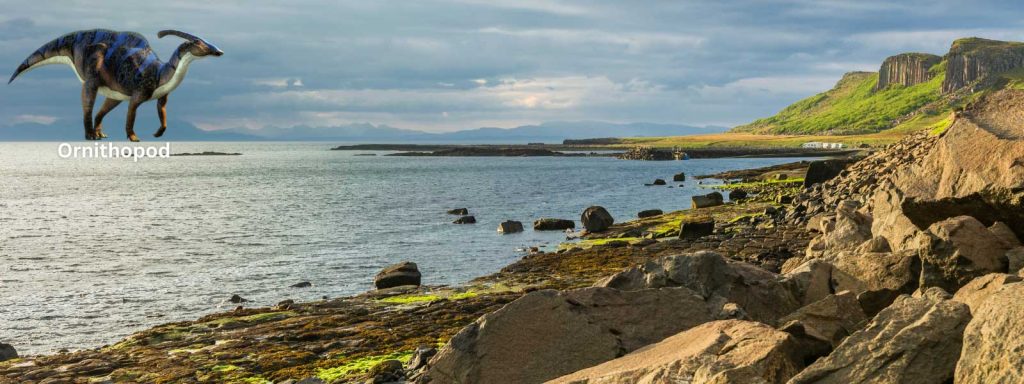
At Staffin Beach, also known as An Corran, visitors can see remarkable footprints left by a family of Ornithopods – herbivorous dinosaurs that walked on two legs. These prints, dating back approximately 165 million years, are visible on a bed of sandstone on the beach. The best time to view these footprints is on low tide after a storm when any sand has been washed away, exposing the underlying rock. The main prints are located near the ramp leading down to the beach.
To find the prints, head to the beach at An Corran in Staffin (approximate grid reference NG490685). Keep in mind that the prints are covered by the sea at high tide and may be obscured by sand.
Duntulm (Score Bay)
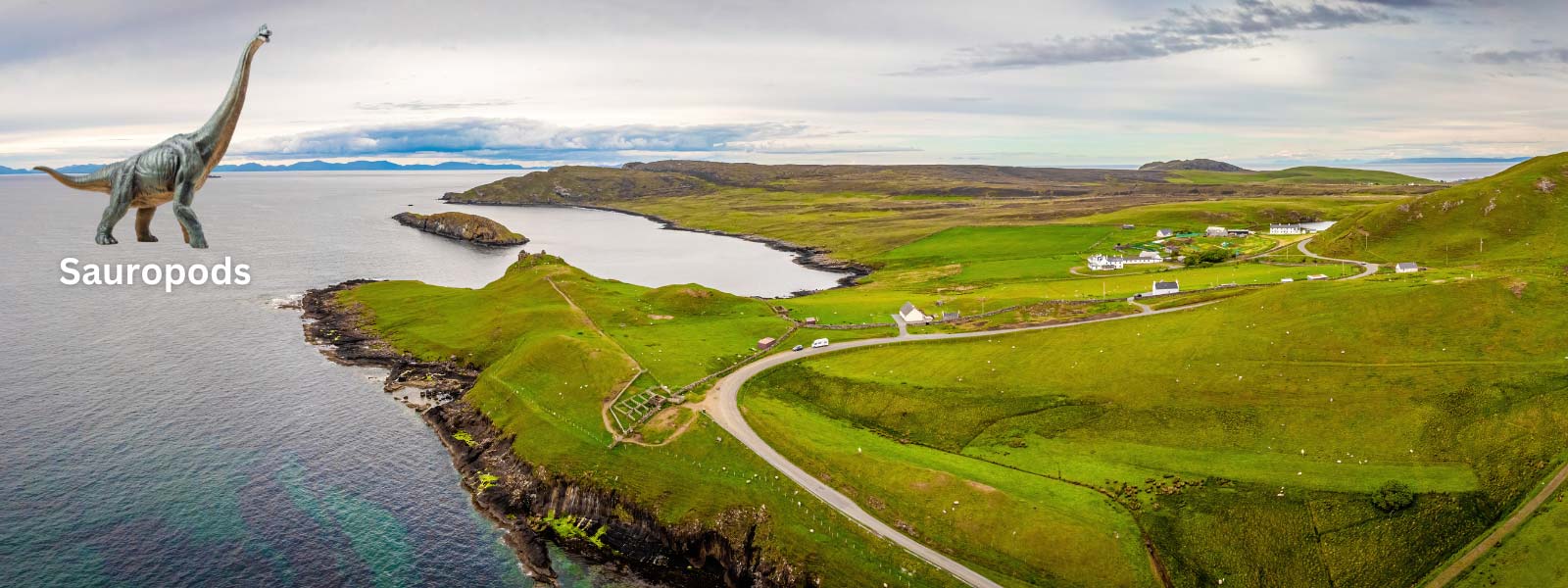
In 2015, a major discovery was made near Duntulm Castle at the north end of Trotternish. Here, researchers found what is now considered the largest dinosaur trackway in Scotland. These prints, visible only at low tide, were made by sauropods – enormous, long-necked dinosaurs similar to brontosaurus and brachiosaurus. Dating back approximately 170 million years, these tracks are among the best of their kind in the world.
To view these prints, visit the shore just south of Duntulm Castle (approximate grid reference NG410738). The size and clear shape of these footprints offer an awe-inspiring connection to the massive creatures that once inhabited this area.
Rubha nam Braithrean (Brothers’ Point)
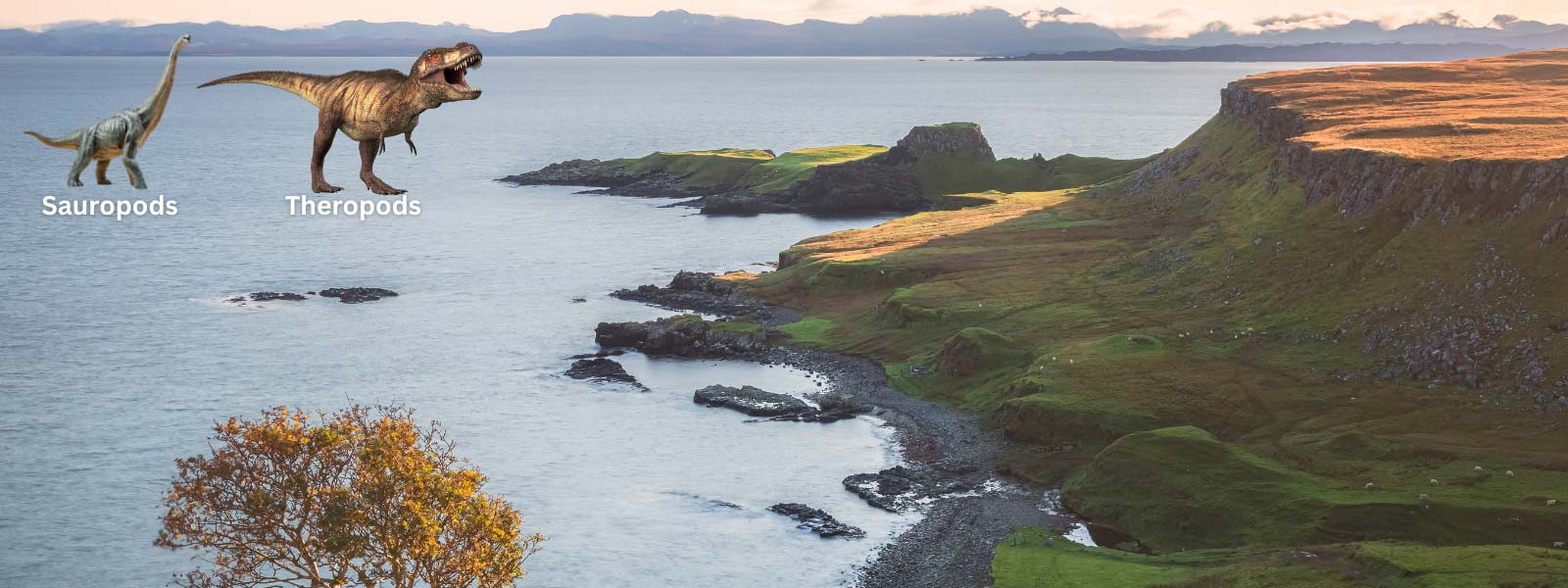
In 2018, researchers from the University of Edinburgh made another significant discovery at Rubha nam Braithrean, or Brothers’ Point. They found and documented about 50 footprints in the tidal area, made by both long-necked sauropods and theropods (early cousins of Tyrannosaurus Rex).
While slightly more challenging to access than Staffin or Duntulm beaches, Brothers’ Point offers a rewarding experience for those interested in dinosaur traces. The large prints can be found in the flat tidal area before reaching the point itself on low tide.
Skye Fossil Discoveries: Piecing Together the Jurassic Puzzle
Beyond footprints, Skye has yielded numerous important fossil discoveries that have expanded our understanding of Jurassic and Triassic life. These finds include:
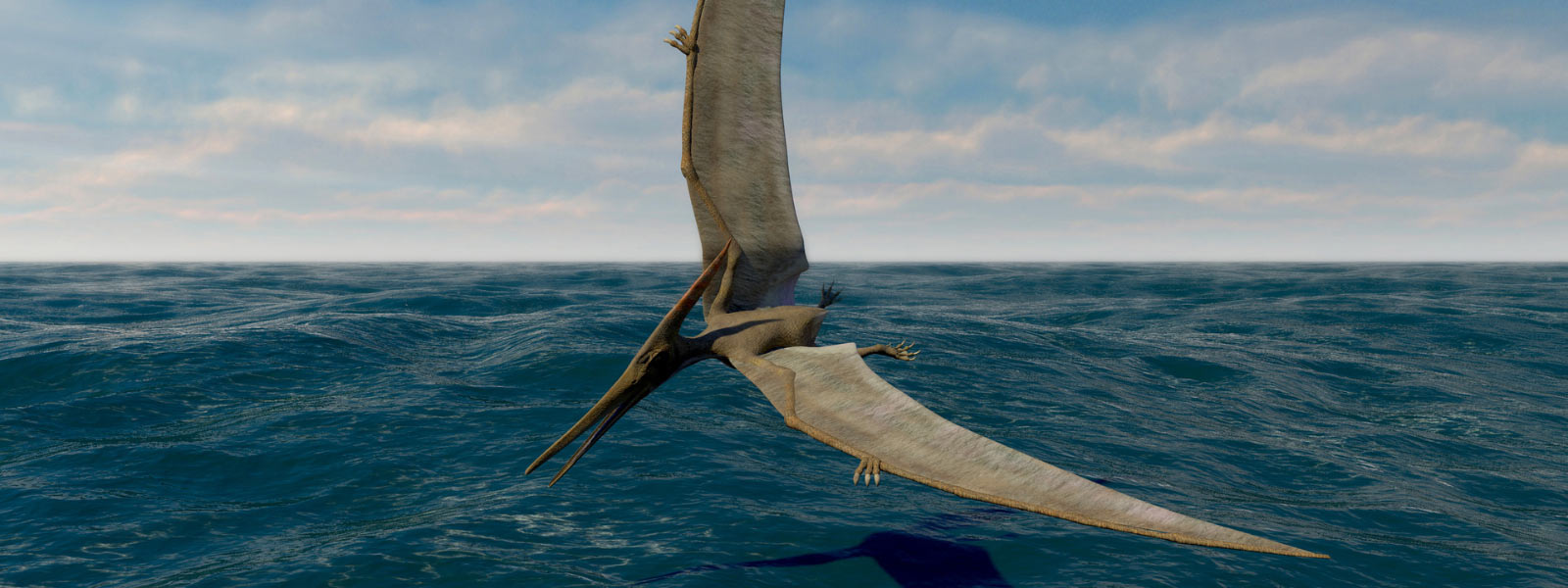
Pterosaur
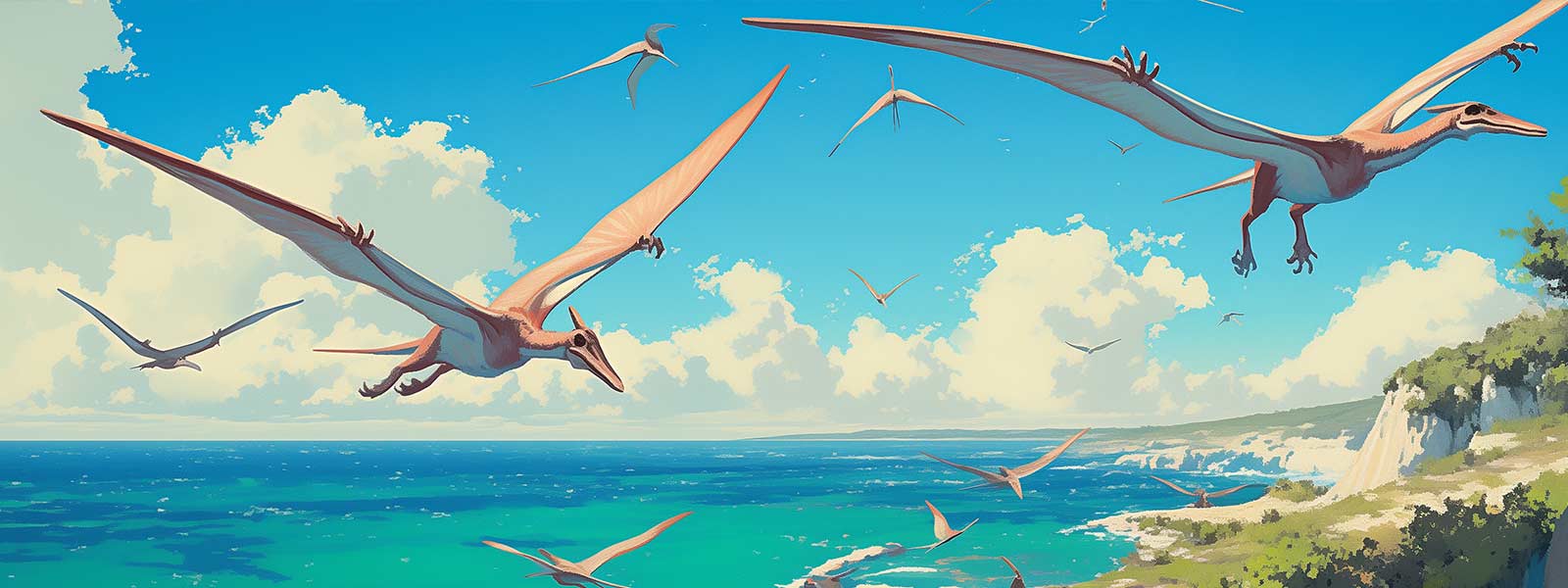
In 2023, researchers described a new species of pterosaur named Ceoptera evansae. This flying reptile, with an estimated wingspan of 1.6 metres, lived approximately 166-168 million years ago. The discovery of Ceoptera evansae is particularly significant as it represents one of the few associated Middle Jurassic pterosaur skeletons found worldwide.
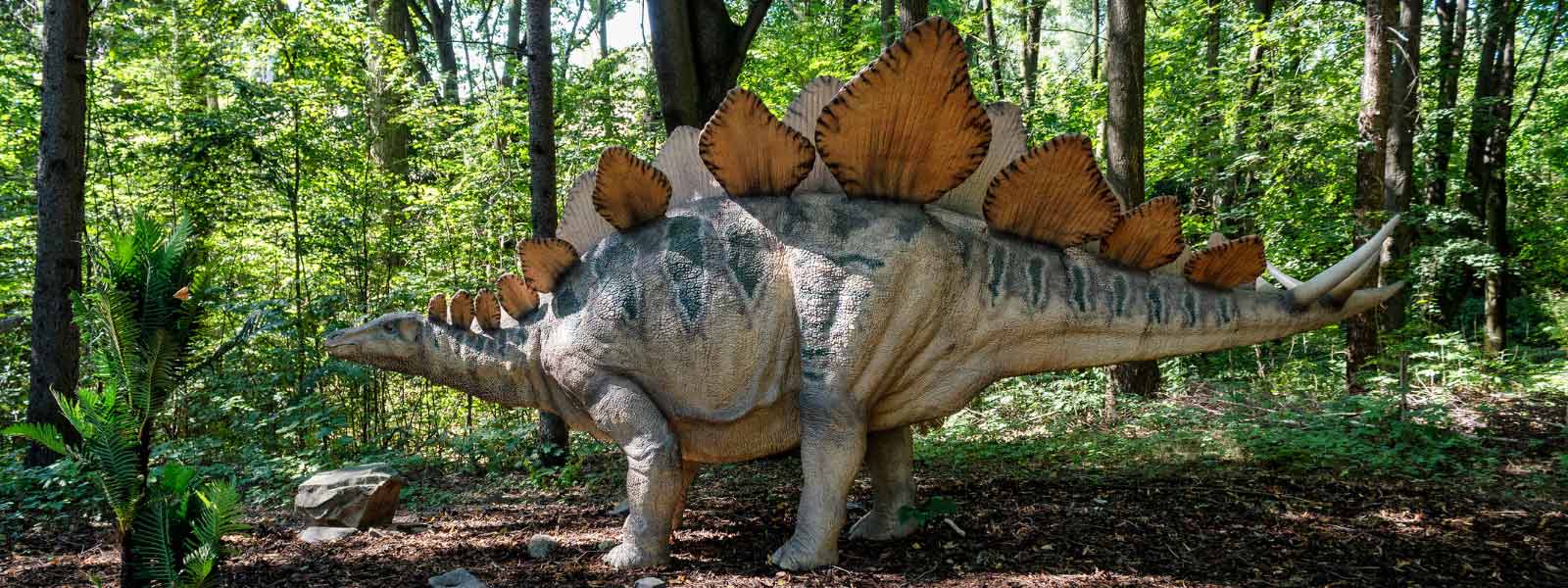
Stegosaurs
Stegosaurs were large, herbivorous dinosaurs (dinosaurs that ate plants, leaves, and grass) known for the distinctive row of plates along their backs and the spikes at the end of their tails. The discovery of stegosaur fossils on Skye is particularly significant because it pushes back the known timeline for these dinosaurs. Previously, the earliest known stegosaurs were from the Late Jurassic period, but the Skye fossils date to the Middle Jurassic, about 170 million years ago. This suggests that stegosaurs arrived earlier than previously thought. The Skye stegosaur fossils include vertebrae and limb bones, giving paleontologists valuable information about these early members of the group.
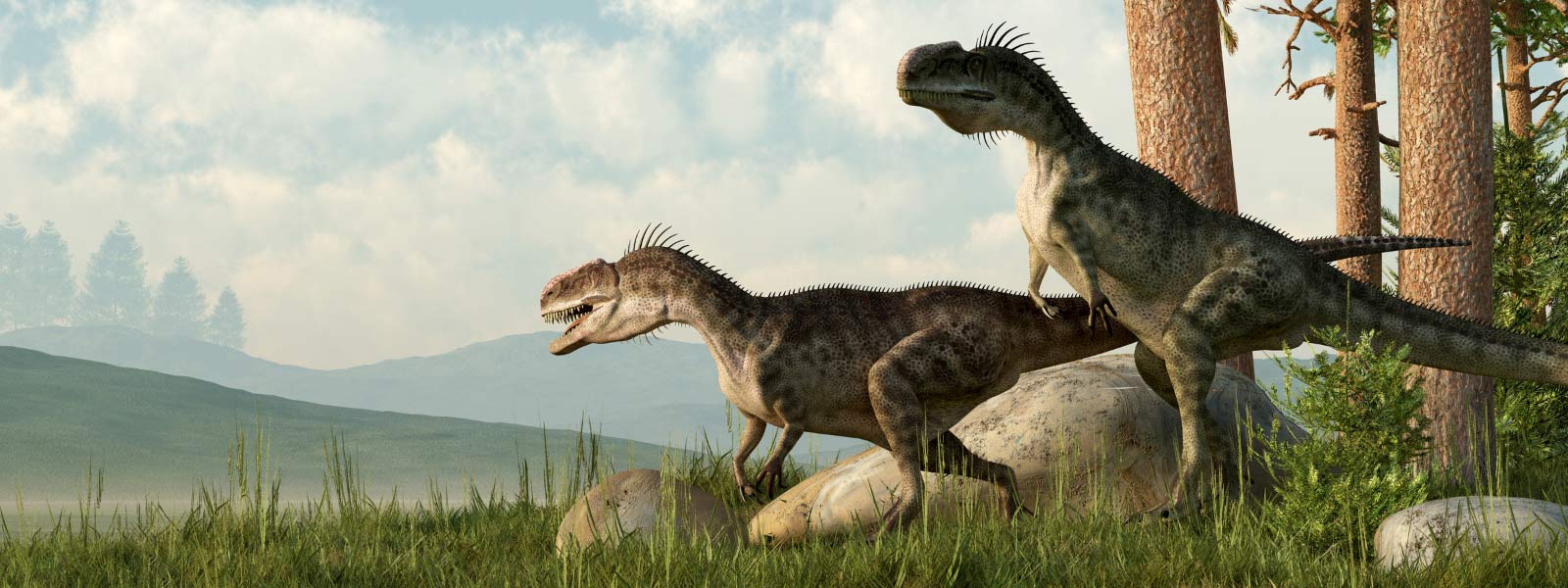
Theropods
Theropods were a diverse group of mainly carnivorous dinosaurs that included some of the most fearsome predators of the Jurassic period. The theropod remains found on Skye include bones from relatives of Megalosaurus, one of the first dinosaurs ever described scientifically. These fossils typically consist of teeth and fragmentary skeletal remains. The presence of theropods on Skye indicates a complex ecosystem where predators and prey coexisted. The variety of theropod fossils found suggests that multiple species of these carnivorous dinosaurs inhabited the area, occupying different niches in the food chain.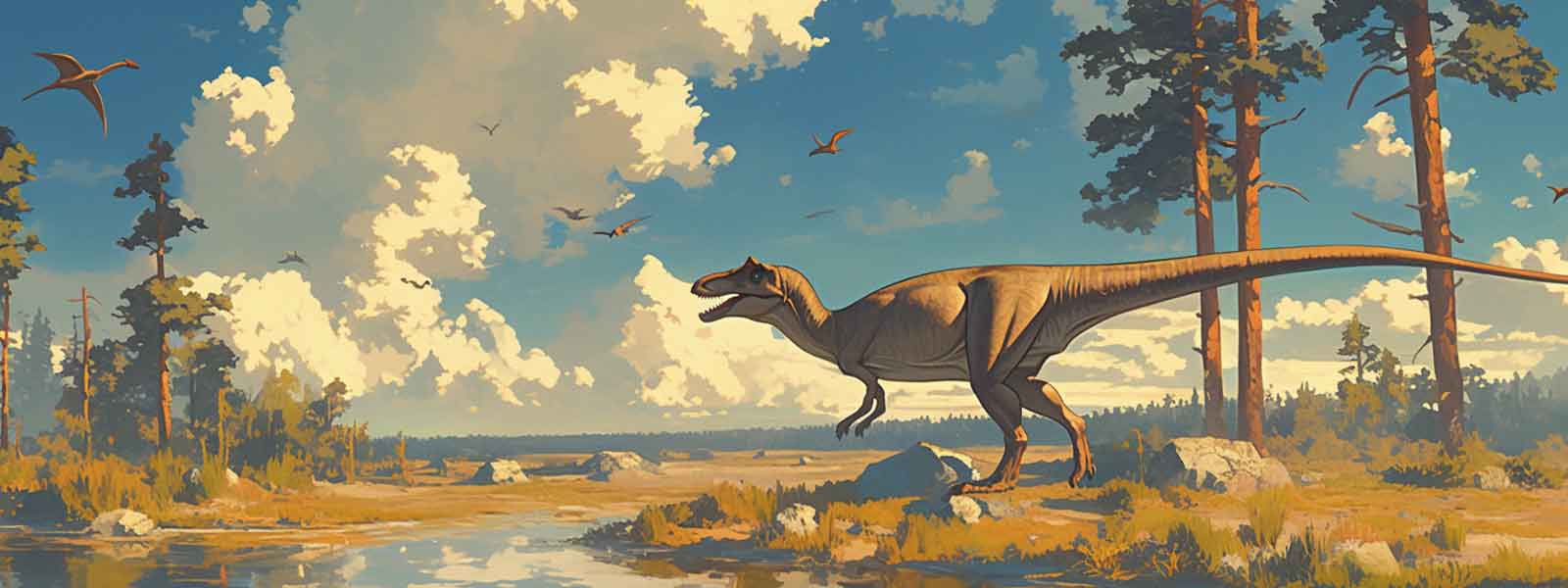
Megolosaurus
Megalosaurus was one of the first dinosaurs to be formally named and described scientifically, back in 1824. It was a large carnivorous theropod that lived during the Middle Jurassic period, around 166 to 168 million years ago. The discovery of bones from Megalosaurus relatives on Skye is significant as it provides evidence of large predatory dinosaurs in this ancient ecosystem. Megalosaurus would have been one of the top predators of its time, likely preying on other dinosaurs that inhabited the area. The presence of Megalosaurus relatives on Skye helps paleontologists build a more complete picture of the Jurassic food chain and ecosystem on what is now the Isle of Skye.
Sauropods
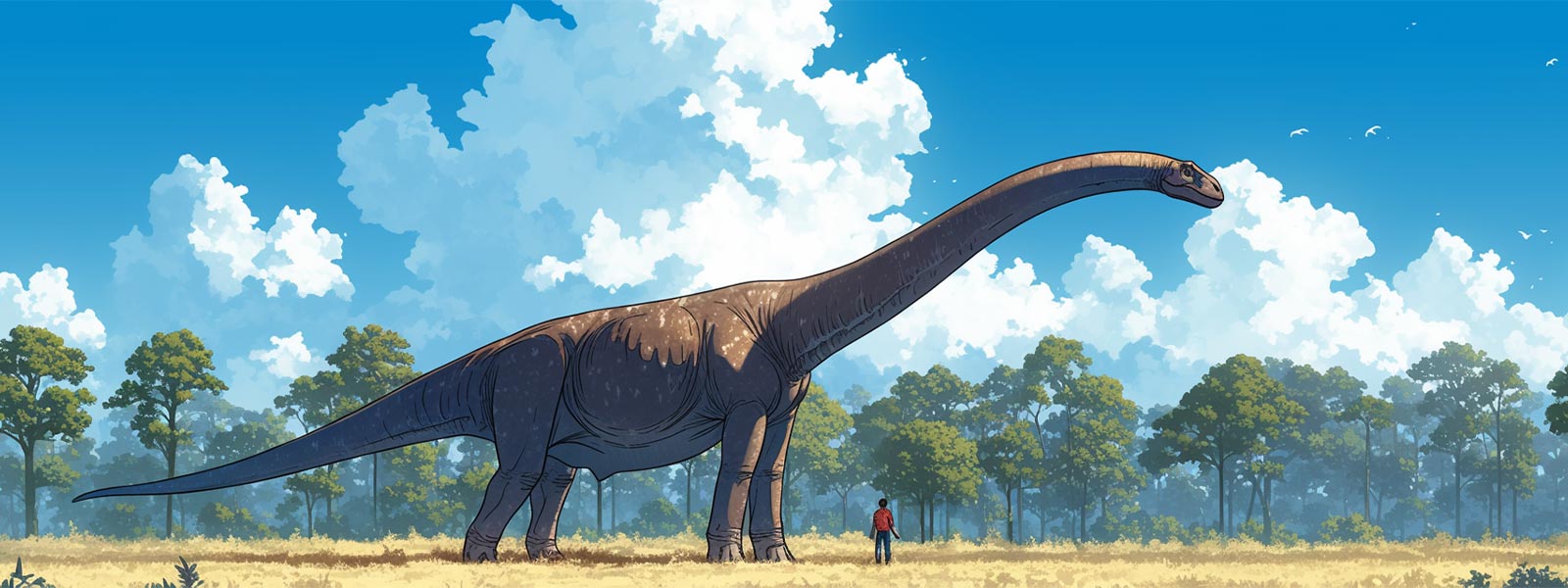
Sauropods were the largest land animals ever to have lived on Earth. They were herbivores characterised by their extremely long necks and tails, small heads, and massive bodies. On Skye, sauropod presence is evidenced not just by their impressive footprints, but also by fossil bones. These fossils include vertebrae and limb bones, which help paleontologists understand the size and anatomy of these giants. The sauropod fossils from Skye are particularly important because they represent some of the earliest examples of this group from the Middle Jurassic period. This suggests that sauropods were already well-established and diverse by this time, providing crucial information about their arrival and dispersal across the globe.
These discoveries paint a picture of a diverse Jurassic landscape inhabited by a wide range of dinosaur species, from small carnivores to massive herbivores, as well as flying reptiles that soared overhead.
The Ceoptera evansae: A Pterosaur Named After Skye
The recent discovery of Ceoptera evansae, a new pterosaur species from the Middle Jurassic period, adds a significant chapter to Skye’s prehistoric story. This flying reptile, dating back approximately 166 million years, represents one of the few associated pterosaur skeletons from the Middle Jurassic period found worldwide.
Ceoptera evansae’s name combines Scottish Gaelic and Latin, with “ceò” meaning mist (a nod to Skye’s gaelic monicker as the Isle of Mist) and “ptera” meaning wing.
This discovery is important for several reasons:
- It helps fill a gap in our understanding of pterosaur evolution during a time when the fossil record is notably sparse.
- It provides new insights into the diversity and evolutionary relationships among pterosaurs, particularly within the Darwinoptera group (meaning “Darwin’s wing” after Charles Darwin) .
- The use of micro-CT scanning in studying Ceoptera evansae showcases how modern technology can reveal details of ancient life previously hidden within rock.
Skye’s Middle Jurassic Ecosystem
The discovery of Ceoptera evansae adds to our understanding of Skye’s rich prehistoric ecosystem. During the Middle Jurassic, Skye was a hub of biodiversity. The environment ranged from freshwater to low-salinity lagoons within a closed lagoonal system.
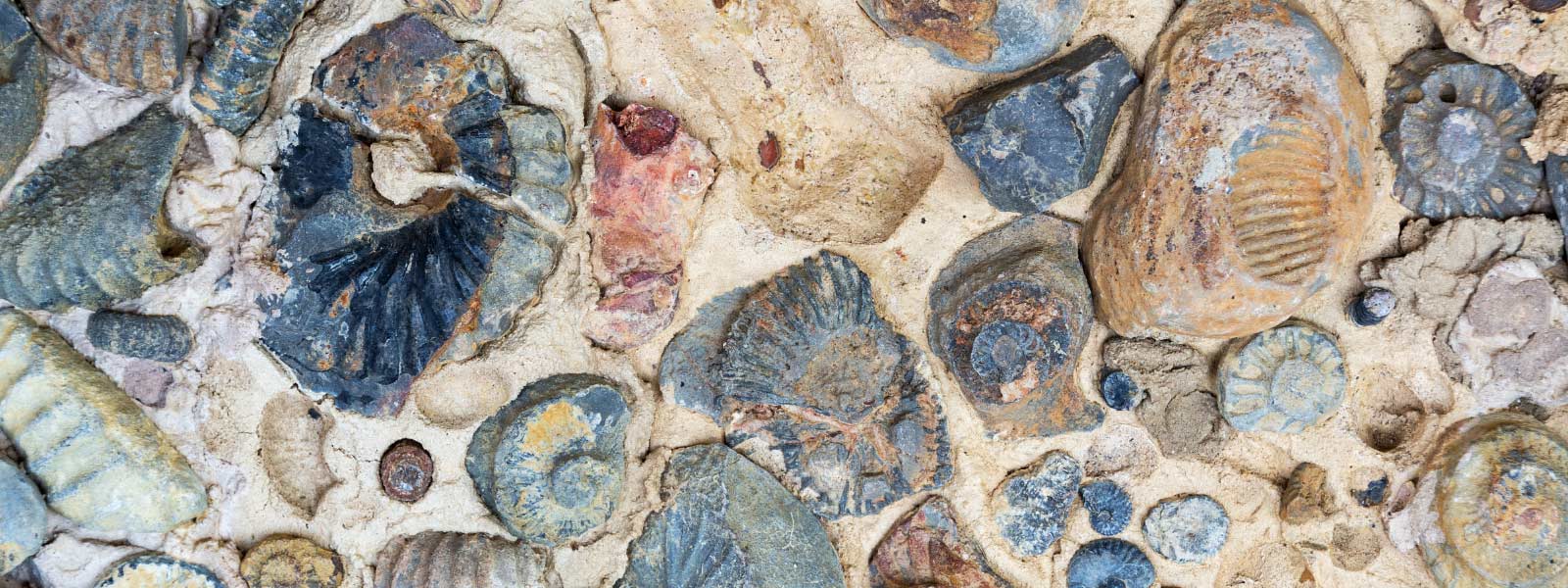
The Kilmaluag Formation, where Ceoptera evansae was found, has yielded a diverse array of fossil remains, including:
- Hybodont sharks
- Osteichthyans (bony fish)
- A possible coelacanth
- Caudate and albanerpetontid lissamphibians
- Turtles
- Lepidosauromorphs
- Choristoderes
- Crocodilians
- Non-avian dinosaurs
- Various mammaliaforms
This rich array of life forms provides a window into the complex ecosystems that existed on Skye during the Middle Jurassic period.
Ammonites: Windows to Ancient Seas
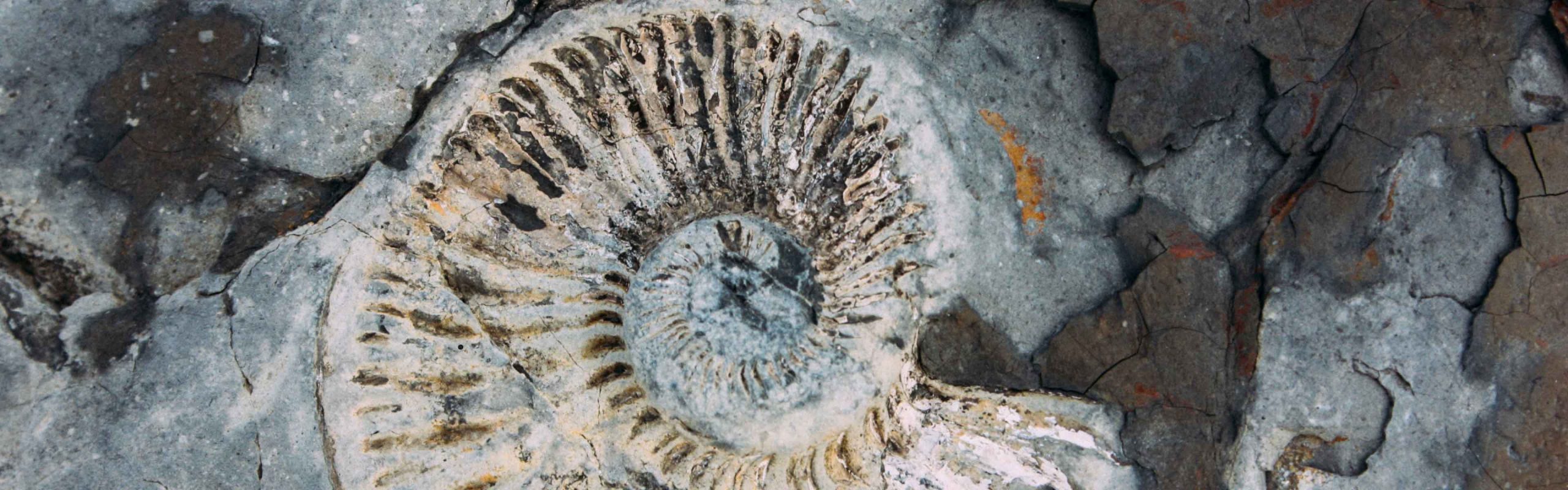
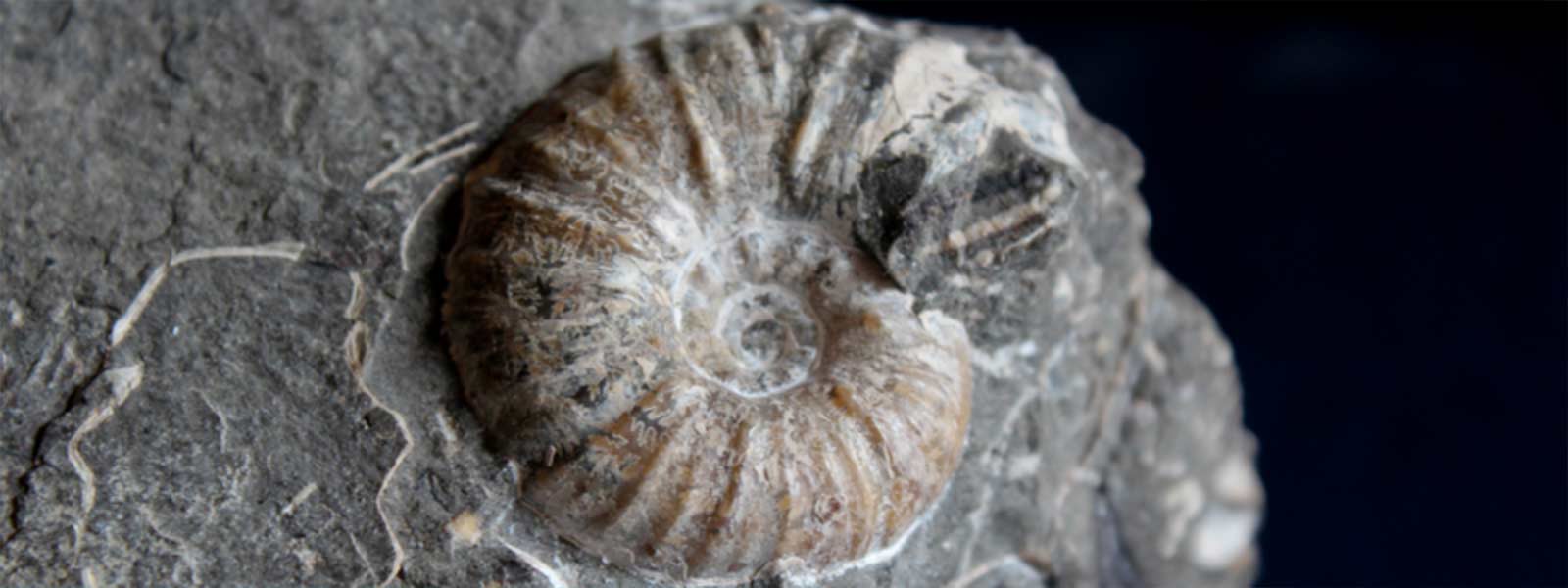
While dinosaur fossils often capture the imagination, the shores of Staffin offer another fascinating glimpse into prehistoric life through its abundance of ammonite fossils. The Staffin Shales, particularly the nunningtonense Subzone, contain a wealth of ammonite species that provide valuable insights into ancient marine environments. The diversity of ammonite species helps scientists understand the ecological conditions of ancient seas and how they changed over time. For fossil enthusiasts, the ammonites of Staffin provide a tangible connection to the prehistoric oceans that once covered Skye, offering insights into ancient marine biodiversity and environmental conditions.
Tips for Visiting Skye’s Dinosaur Sites
When planning a trip to see Skye’s dinosaur heritage, consider the following tips:
Timing: The best time to view footprints is during low tide and after stormy weather when sand has been cleared away. Check local tide tables before your visit.
Weather: Skye’s weather can be unpredictable. Bring appropriate clothing and footwear for walking on beaches and rocky shores.
Preservation: Remember that these sites are protected. Do not attempt to remove fossils or make casts of footprints. Taking photographs is encouraged, but leave everything else as you found it.
Guided Tours: Consider joining a guided tour led by local experts who can provide detailed information about the sites and help you locate and identify the footprints and fossil areas.
Staffin Museum: Visit the tiny Staffin Museum at Ellishadder to see additional dinosaur footprints, fossils, and learn more about the prehistoric life of Skye.
Practical Information for Visitors
Accessibility: The dinosaur sites on Skye vary in terms of accessibility. Staffin Beach and Duntulm are relatively easy to reach, while Brothers’ Point requires a bit more effort, down a still often slippy hill, and across rocky terrain.
Family-Friendly: These sites can be exciting for children, offering a tangible connection to prehistoric times. However, parental supervision is recommended, especially near the shoreline.
Dogs: Dogs are generally allowed on Skye’s beaches, but should be kept under control in areas with livestock or deer. Dogs chasing other wildlife often get lost on Skye.
Facilities: Toilet facilities are limited at the beach sites. The nearest public toilets are often in nearby villages. It’s advisable to use facilities before heading to the beaches.
Conservation: The dinosaur sites on Skye are protected by law. Collecting fossils or damaging the sites can result in substantial fines. Always practice responsible tourism and follow the Scottish Outdoor Access Code.